AXSX • Aeronautics AND SPACE EXPLORATION

Set Up a Modern
Astronomy & Space Science
Lab in Your School.

What • Why • How
Request School Astronomy Lab Setup Proposal →

WHY

Why Astronomy Lab?

An astronomy laboratory provides students with a dedicated environment to learn and explore astronomy and space technology through interactive demonstrations, experiments, working models and DIY activities.

The AXSX Astronomy & Space Lab is carefully designed by AXSX, a certified ISRO Space Tutor, with consideration of the National Education Policy (NEP) and a strong emphasis on STEM-based learning.

The laboratory encourages students to learn through observation, experimentation and hands-on exploration, helping them develop a deeper understanding of Earth, space and the workings of the universe.

Discuss a Lab for Your School →

CLIENTS

Trusted by Schools & Institutions

Schools and educational institutions we have worked with.

WHAT

What is an Astronomy Lab?

An Astronomy Lab is a dedicated learning environment where students can explore astronomy and space science through hands-on experiments, interactive demonstrations, educational displays, scientific models and observational activities.

Instead of limiting astronomy education to textbooks and theoretical concepts, the laboratory allows students to observe, experiment, question and understand scientific phenomena through direct interaction with models and equipment.

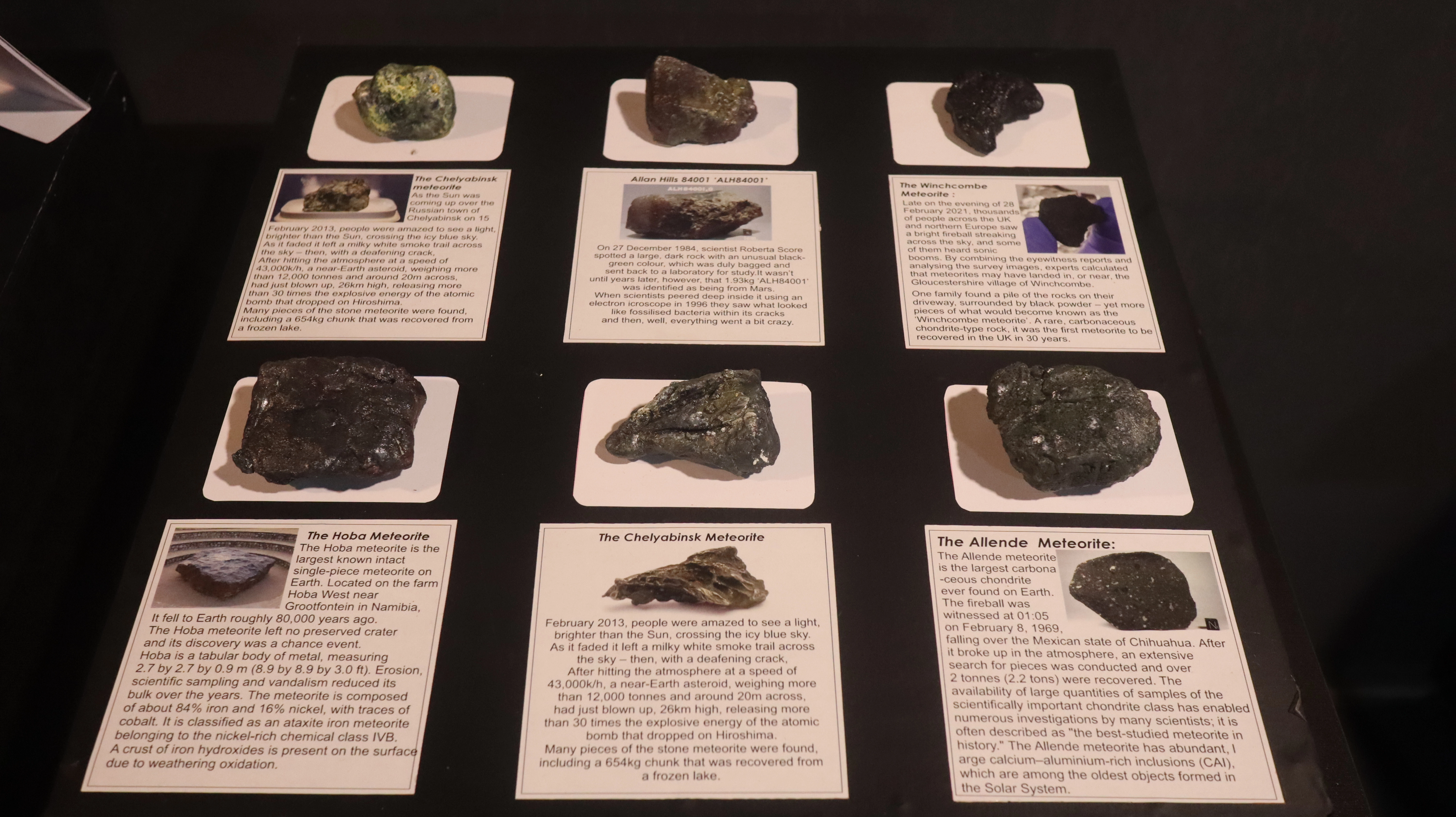
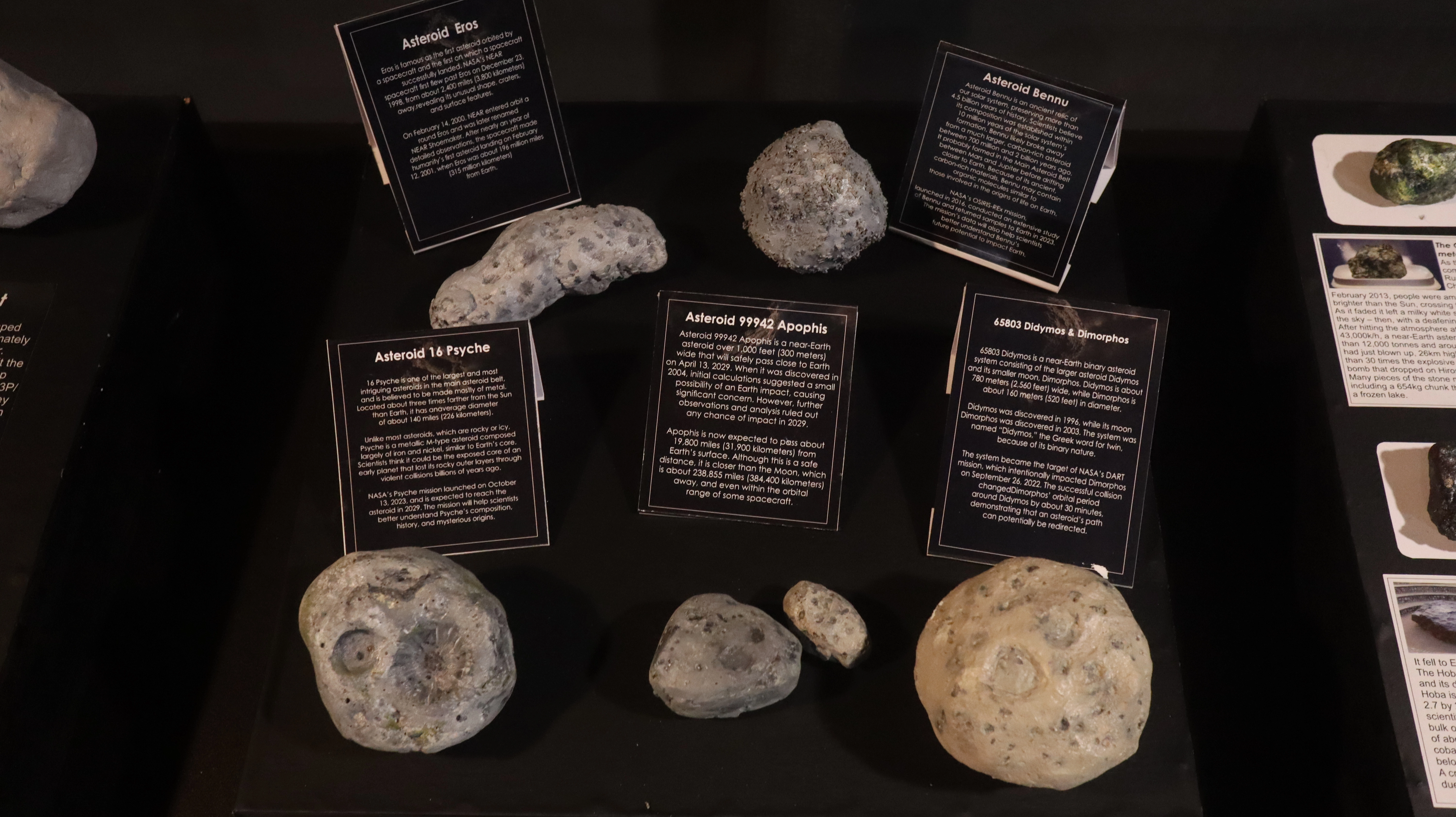
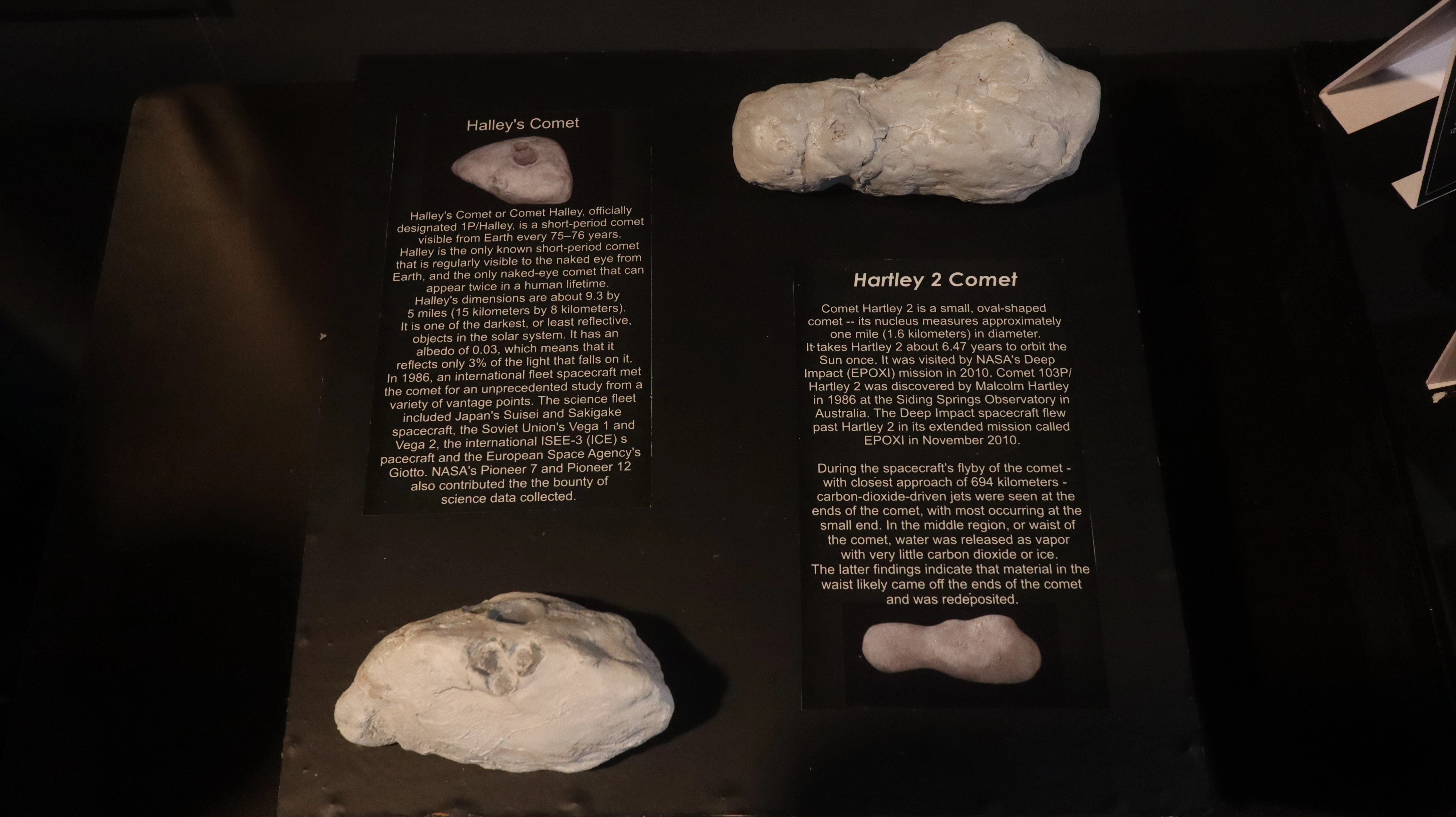
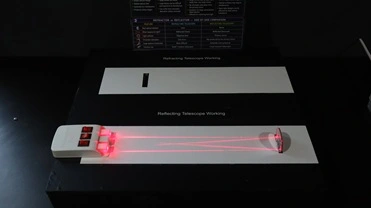
The AXSX Astronomy & Space Lab brings together educational resources, experiments, working and non-working models, astronomical equipment and guided activities to create an engaging STEM-based learning experience.

What's Included in the Astronomy Lab?

01

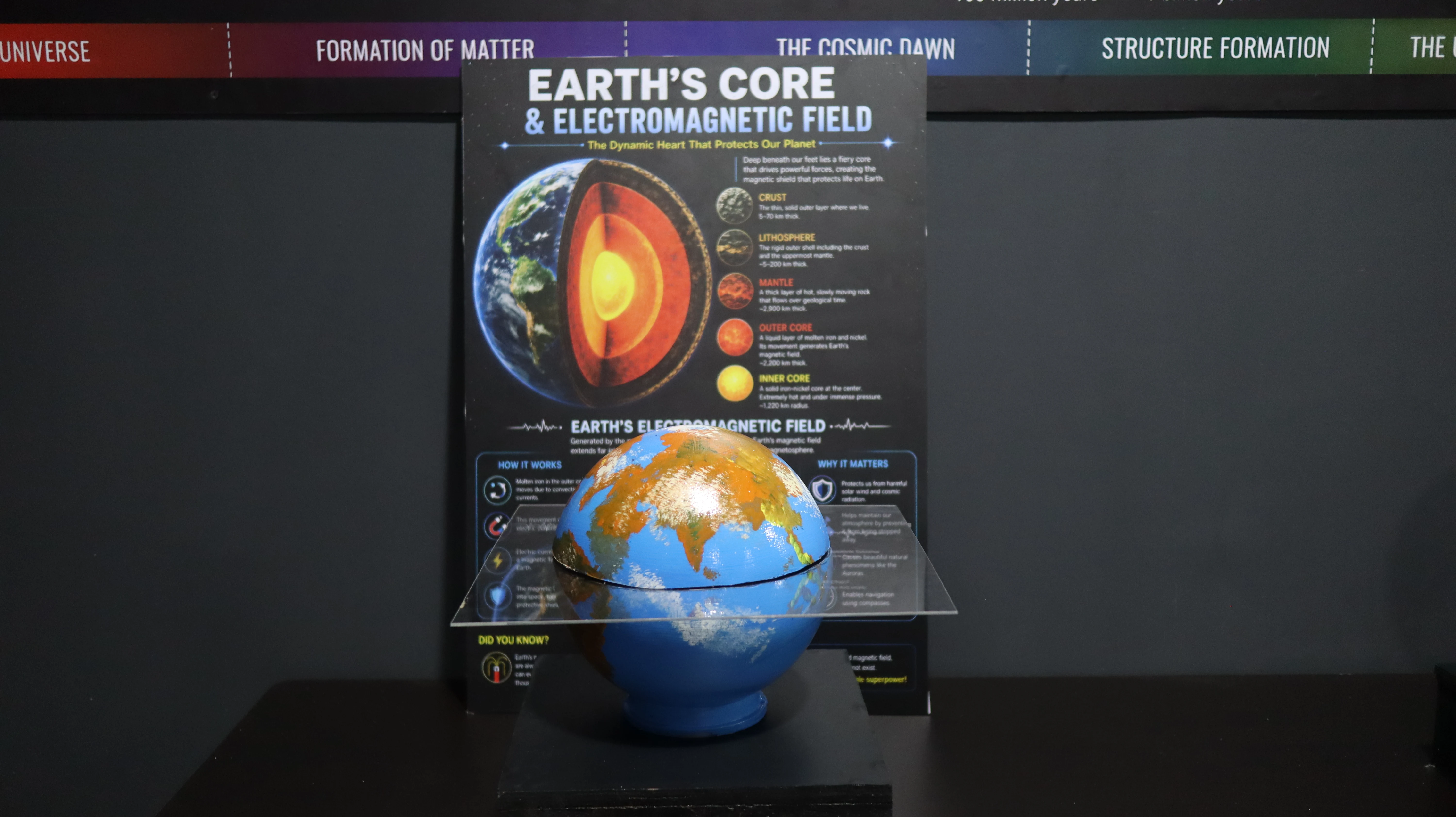
Educational Posters

A curated collection of approximately 12–15 educational posters covering key concepts in astronomy, space science and space technology. Each poster is designed to communicate complex concepts in a clear and visually engaging manner.

02

Teacher Training

Experts train teachers to effectively use the laboratory equipment, models and experiments. Training also focuses on simple and effective ways of explaining astronomical concepts to students.

03

Lab Manual

A detailed laboratory manual provides guidance for every experiment, including its aim, required equipment, procedure, observations, results, remarks and photographs of the relevant model or setup.

04

One-Year Activity Calendar

A guided annual activity calendar recommends astronomy and STEM activities according to students' age groups, seasons and months, along with guidance for teachers on conducting each activity effectively.

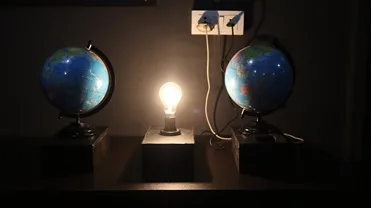
Students explore Earth from both scientific and astronomical perspectives, including its internal structure, atmosphere and ability to support life. Models and experiments demonstrate why Earth is different from other planets and explain phenomena such as day, night and seasons.

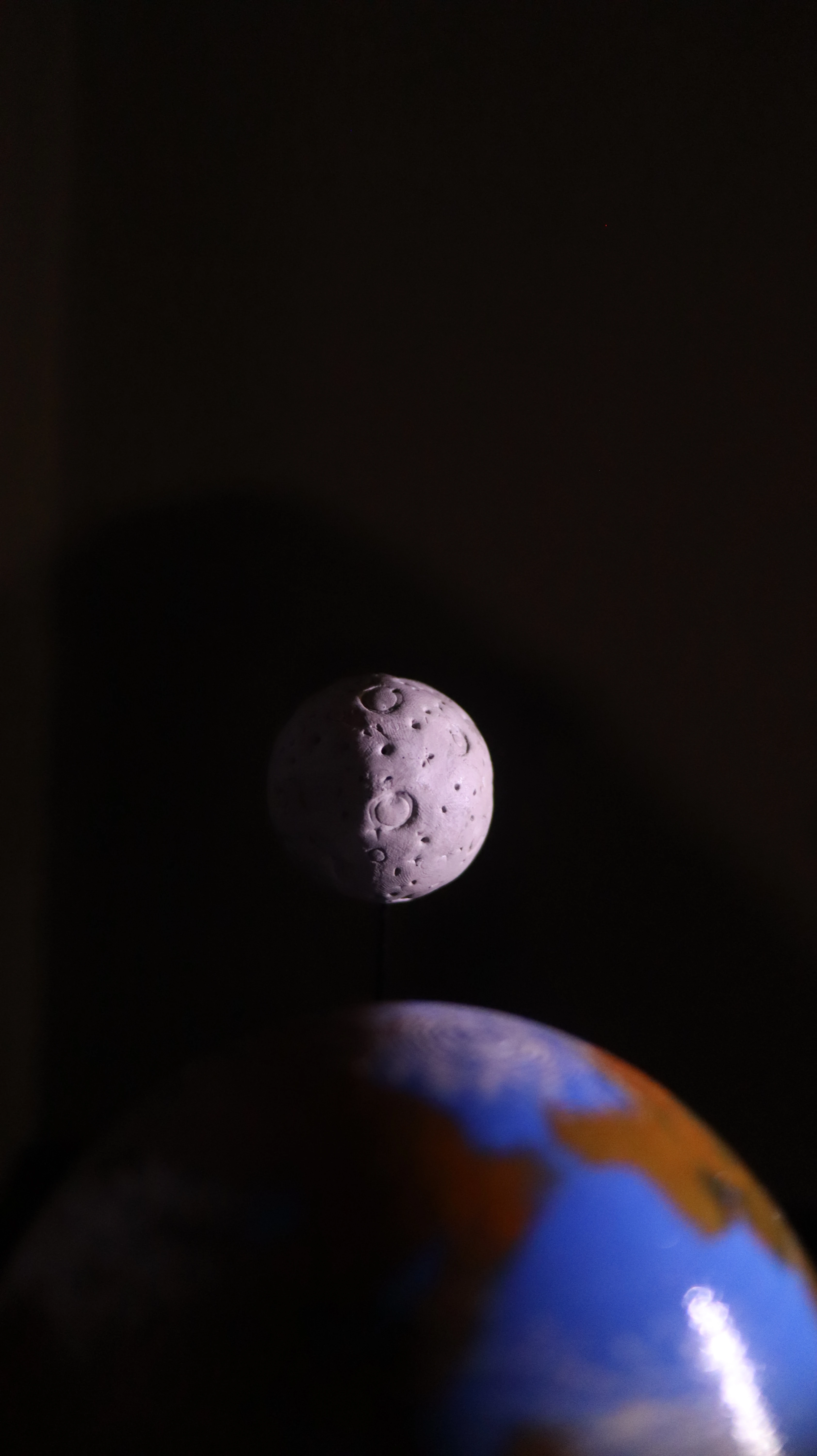
Students learn about the Moon's motion around Earth, its phases and the geometry responsible for lunar phases and eclipses. Interactive models make these concepts easier to visualise and understand.

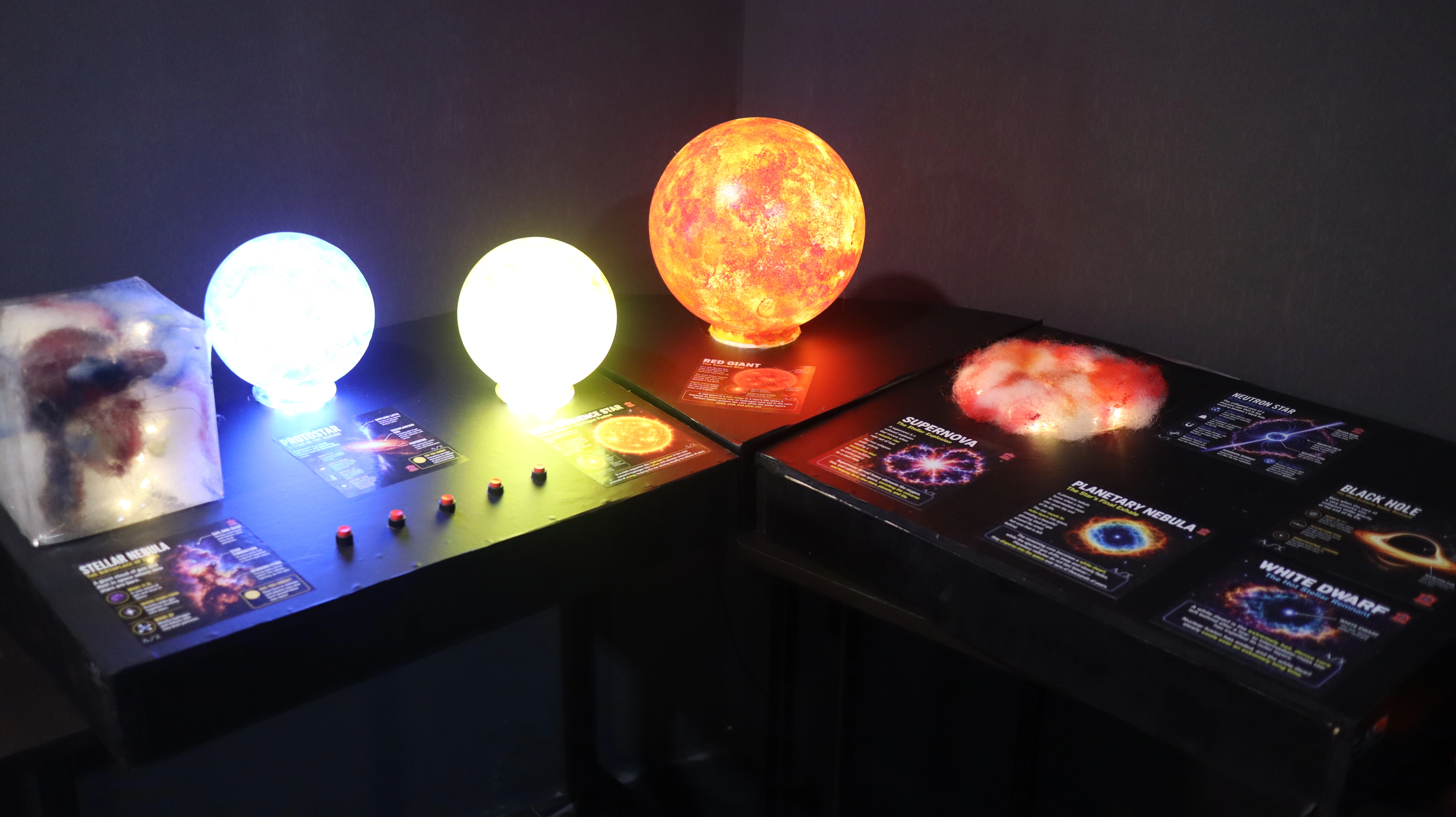
The laboratory introduces students to the life cycle of stars, from their formation to their eventual evolution. Students explore different types of stars, their colours, temperatures and characteristics through interactive models and demonstrations.

Students discover what constellations are, how they are recognised and classified, and how apparent patterns of stars have been identified and used throughout human history.

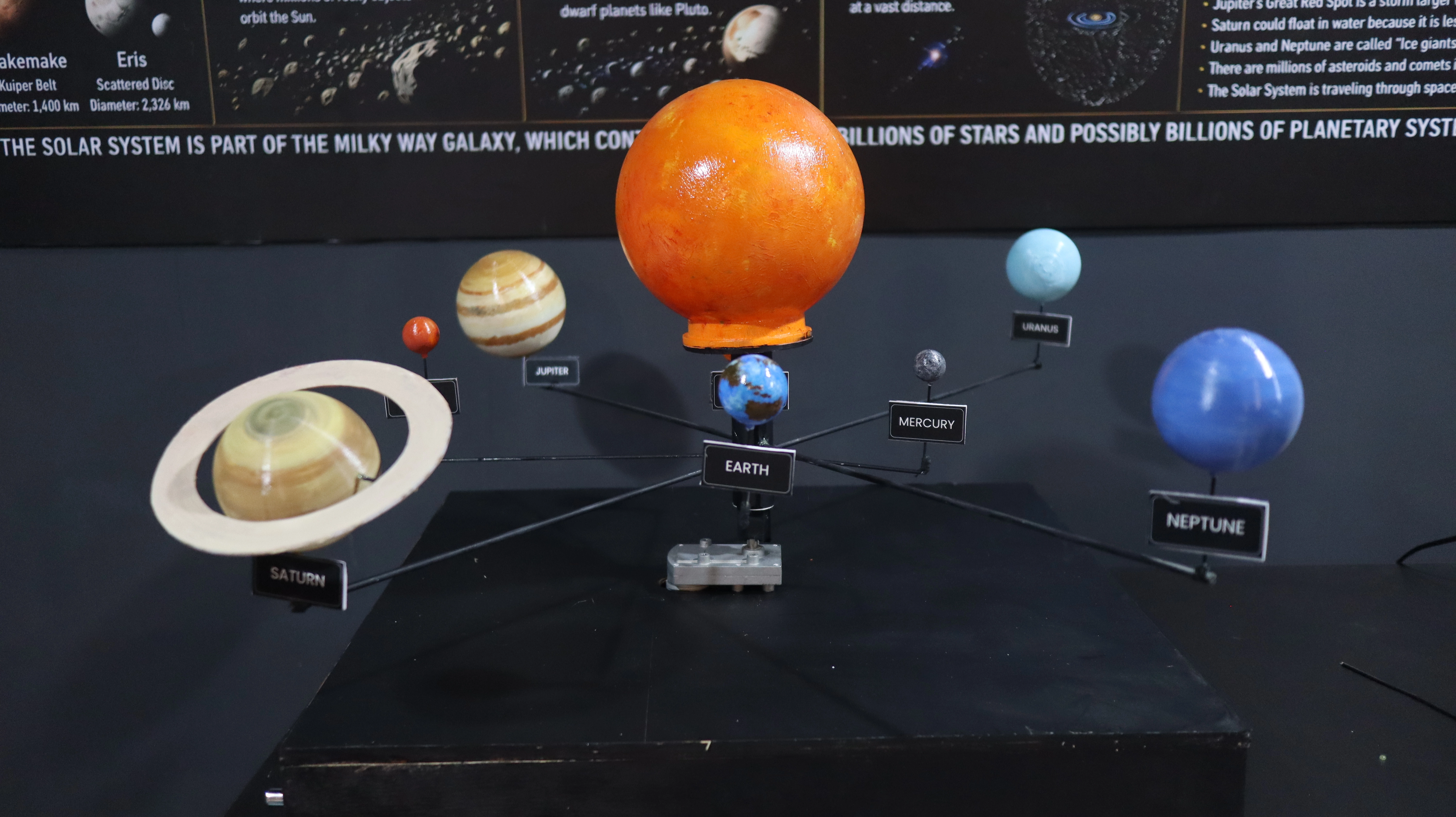
Students explore the components and structure of the Solar System, including planets, dwarf planets, moons and smaller bodies, while understanding their motions and relationships through physical models.

The laboratory takes students from Earth and our Solar System to the larger universe, introducing galaxies, cosmic structures, extreme objects and some of the greatest unanswered questions in modern astronomy.

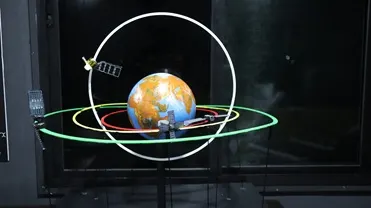
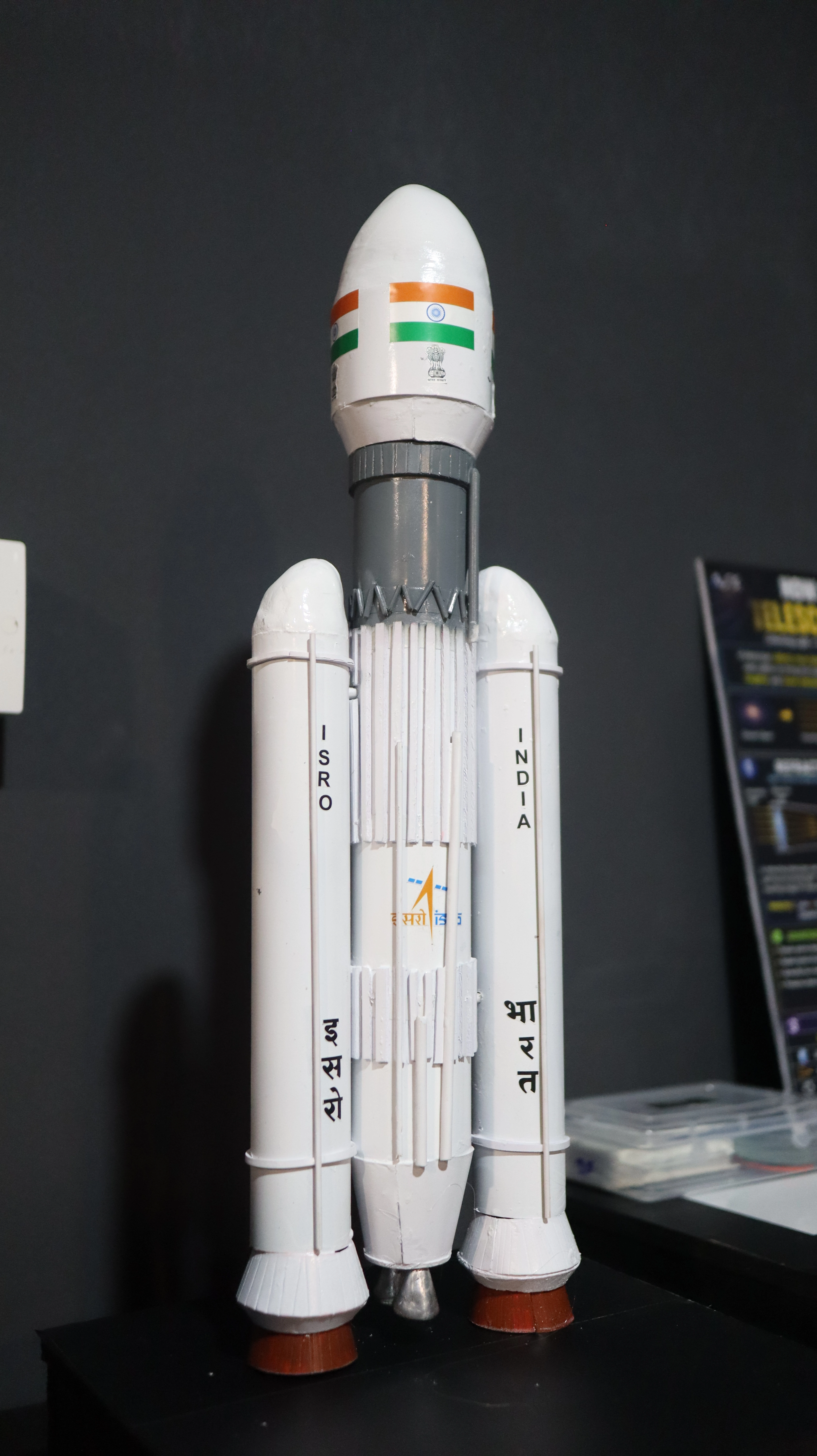
Students learn about spacecraft, satellites, launch vehicles and other technologies used for space exploration and research. Models explain these technologies in simple and accessible terms.

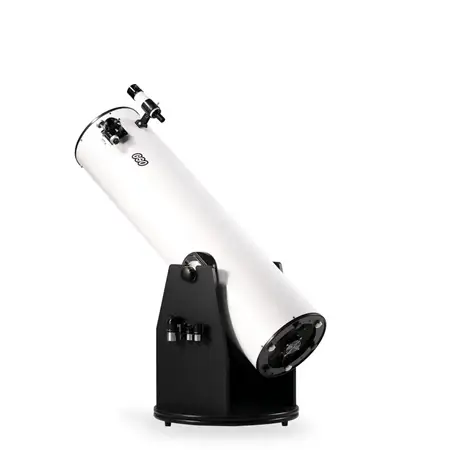
Astronomical telescope

OBSERVATION

Advanced Telescope & Observational Astronomy

The laboratory can include advanced telescopes that enable students to experience observational astronomy beyond classroom learning.

Stargazing sessions can also be arranged for students, with astronomy experts providing guidance on telescope operation, night-sky observation and identification of celestial objects.

Plan a Stargazing Session →

The deliverables mentioned above are indicative and may be increased, reduced or modified depending on the specific requirements, available space, objectives and mutually agreed terms of the client.

HOW

How the Lab is Established

ABOUT AXSX

With 15+ years of experience in astronomy and space technology outreach, AXSX works to make astronomy and space science education accessible through innovative educational solutions.

AXSX is a certified ISRO Space Tutor and supported by a team of experienced professionals including Engineers, Astronomers and Researchers working across astronomy education, STEM workshops, telescope-based learning and stargazing events in Pune and across India.

Our approach combines scientific accuracy, hands-on learning and age-appropriate educational methods to create meaningful experiences for students and teachers.

01

Consultation

A consultation is conducted with the school authorities to understand their requirements, available space, objectives and expected deliverables.

02

Designer Visit

Interior and model designers visit the site to take measurements and determine the models, displays and equipment best suited to the available space.

03

Setup

Once the models and equipment are manufactured, our experts visit the school for installation, arrangement of equipment and telescope assembly.

04

Teacher Training

Teachers receive practical training on the use of laboratory equipment, experiments and models, along with guidance on explaining concepts effectively to students.

READY TO BEGIN?

Build a Space for
Curiosity to Take Flight.

Let us discuss your school's requirements and design an astronomy learning environment suited to your needs.

Enquire Now →

Frequently Asked Questions

Find answers to common questions about setting up and implementing an AXSX Astronomy & Space Lab.

A standard classroom or dedicated room can be suitable for setting up an Astronomy & Space Lab. Typically, 400–800 sq. ft. is a useful planning range, depending on the number of models, equipment, and activities. Our design team conducts a site visit to understand your available space and customize the layout, furniture arrangement, and equipment placement according to your requirements.

The lab can be designed to support students from Kindergarten to Grade 12. Activities, experiments, and learning manuals can be organized according to different age groups and learning levels. Our approach emphasizes experiential learning, scientific observation, and STEM-based education, with consideration for relevant curriculum requirements and NEP 2020 principles.

AXSX can provide continued support after the initial installation and teacher training. Clients may opt for an Annual Maintenance Contract (AMC), subject to mutually agreed terms and scope. Additional support, activity refreshes, and stargazing session coordination can also be discussed based on institutional requirements.

The lab is designed to complement classroom learning in science, physics, geography, and related STEM subjects through hands-on models, experiments, and guided activities. Our annual activity calendar can be structured around student age groups, learning objectives, and relevant curriculum topics. The approach supports experiential and inquiry-based learning in line with the educational principles of NEP 2020. Specific curriculum mapping can be discussed according to the school's board and requirements.

Our Astronomy & Space Lab setup packages start from ₹2.9 lakh. The final cost depends on the lab size, selected models, equipment, educational resources, and institution-specific requirements. We offer customized solutions based on your school's needs.

For most school-based projects, GST is generally not applicable. However, GST requirements may vary depending on the nature of the institution and transaction. If required, we can provide a GST bill.

INFORMATION

Terms & Conditions

01

50% of the total project payment shall be payable as an advance upon confirmation of the project and setup will take approx. 40-45 days from the date of advance payment, subject to availability of materials and experts.

02

The final scope, specifications, deliverables and associated requirements shall be mutually discussed and agreed upon before commencement of the project.

03

The requirements and deliverables may be adjusted based on the school's requirements, available space and mutual agreement between the parties.

04

Extended maintenance support may be availed through an Annual Maintenance Contract (AMC), subject to mutually agreed terms and scope of services.

05

AXSX shall make every reasonable effort to ensure timely delivery and installation of the laboratory and its associated models, subject to the agreed project schedule, availability of materials and timely completion of activities by all parties.

06

Any additional requirements, modifications or services outside the agreed scope may be discussed and incorporated through mutual consent.