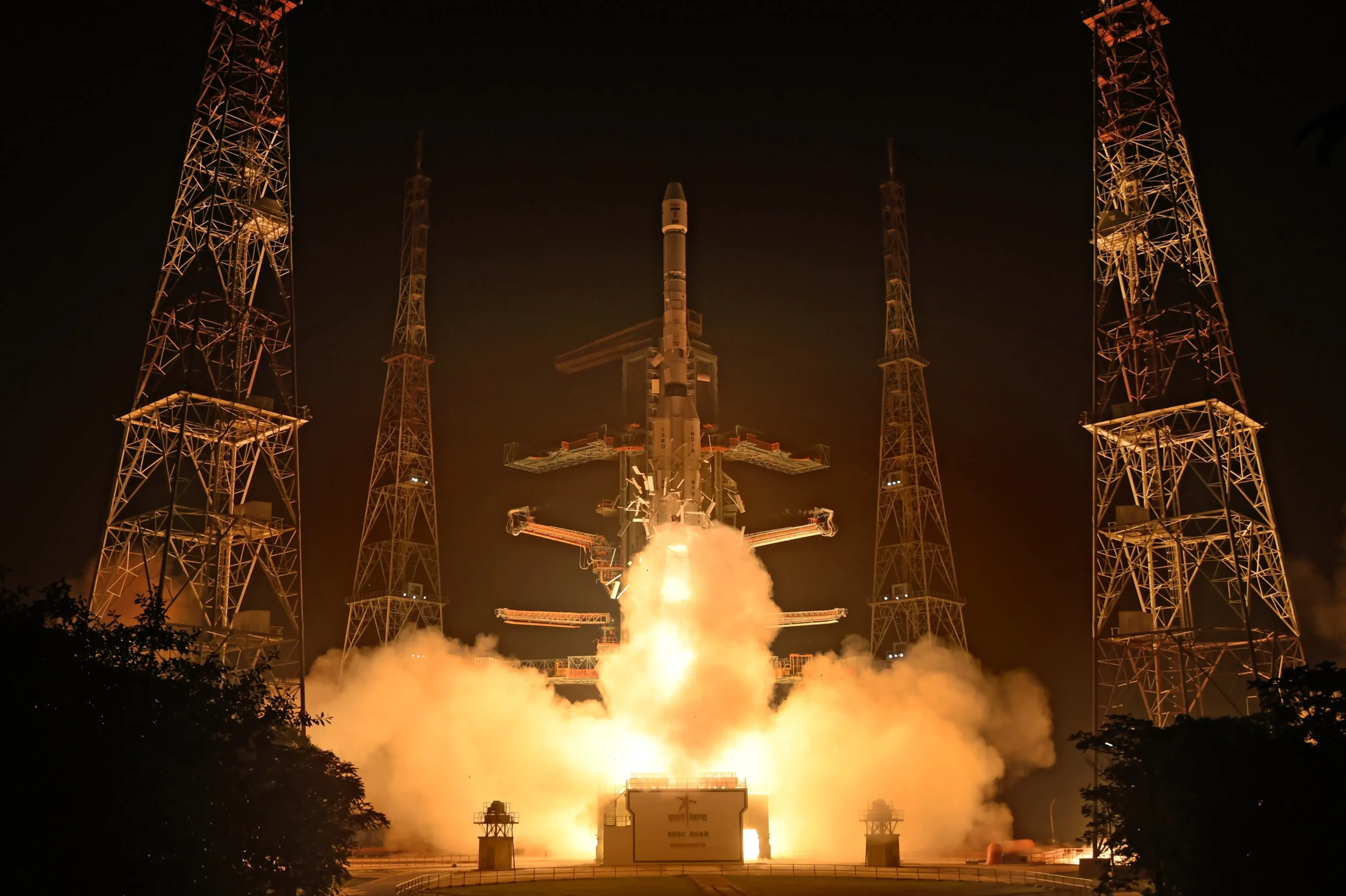
India continues to make progress in space technology with the launch of NVS-03, a next-generation navigation satellite developed by the Indian Space Research Organisation (ISRO). The mission is an important step towards strengthening India’s independent navigation capabilities through its indigenous satellite navigation system, NavIC.
NVS-03 is the third satellite in India’s second-generation Navigation with Indian Constellation (NavIC) series. NavIC is India’s own regional navigation system, similar in purpose to the United States’ GPS, designed primarily to cover India and approximately 1,500 kilometres beyond its boundaries.
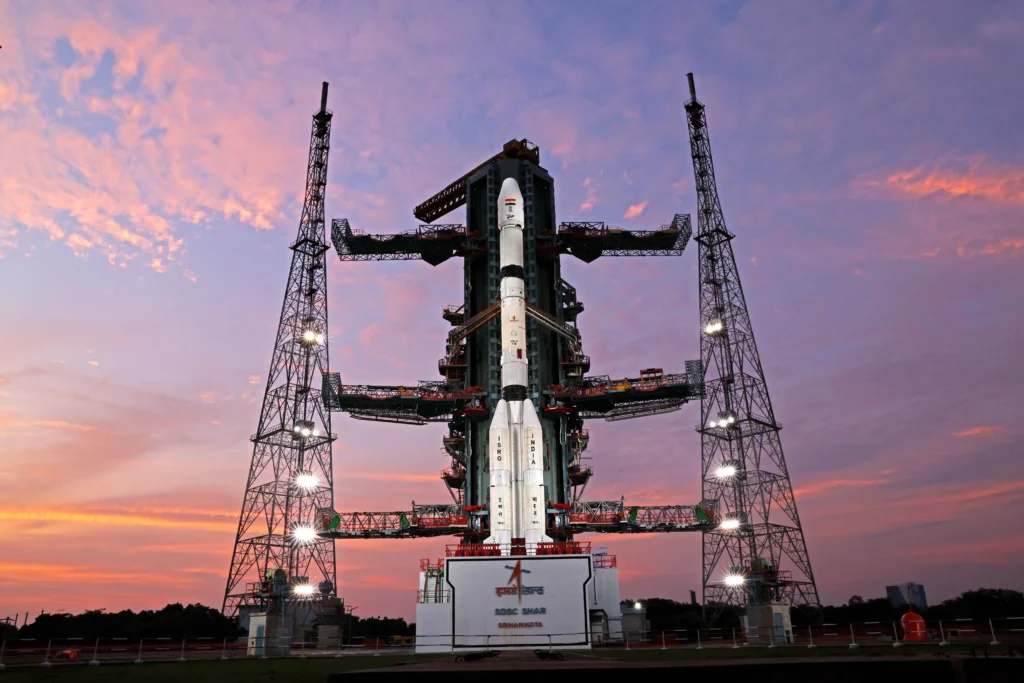
The satellite was launched on 30 October 2026 aboard ISRO’s GSLV-F18 rocket from the Satish Dhawan Space Centre in Sriharikota, Andhra Pradesh.
Satellite navigation works through a combination of satellites, ground stations and navigation receivers.
Once operational, NVS-03 will broadcast radio signals containing precise timing information and satellite position data. Compatible receivers, such as navigation devices, use signals from multiple satellites to calculate their location.
One of the satellite’s important features is its atomic clock, which helps maintain extremely accurate time. Since navigation depends on measuring how long signals take to travel from satellites to receivers, precise timing is essential for accurate positioning.
NVS-03 also introduces the L1 navigation signal alongside the L5 and S-band signals, improving compatibility with supported navigation devices.
1. Greater technological independence: NavIC gives India greater control over its regional navigation services without relying entirely on foreign navigation systems.
2. Improved navigation capabilities: The upgraded satellite series aims to strengthen the availability and capabilities of NavIC services.
3. Applications across industries: Satellite navigation supports transportation, aviation, agriculture, disaster management and logistics.
4. Indigenous innovation: Developing advanced technologies such as atomic clocks strengthens India’s expertise in space engineering and precision timing.
NVS-03 is part of a planned series of five second-generation navigation satellites. Together, these satellites aim to strengthen India’s navigation infrastructure and support the continued development of NavIC.
As navigation technology becomes increasingly important in everyday life, India’s investment in its own system creates opportunities for future innovation in transportation, robotics and location-based applications.
The NVS-03 mission is more than another satellite launch. It represents India’s continued efforts to develop reliable, independent space technologies.
From the navigation systems we use every day to applications in defence and transportation, satellite technology plays a vital role in modern life. By strengthening NavIC, ISRO is helping build a more technologically self-reliant India and laying the foundation for future advancements in space technology.